-
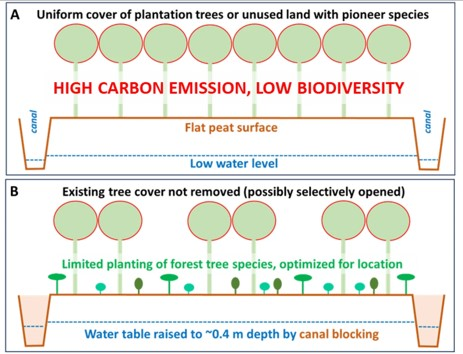 Benefits of tropical peatland rewetting for subsidence reduction and forest regrowth: results from a large-scale restoration trialA 7.5-year peatland restoration trial in Sumatra shows that stepwise canal blocking halves peat subsidence and triggers natural forest regeneration, offering practical guidance to reduce carbon emissions while restoring tropical peat ecosystems.
 -
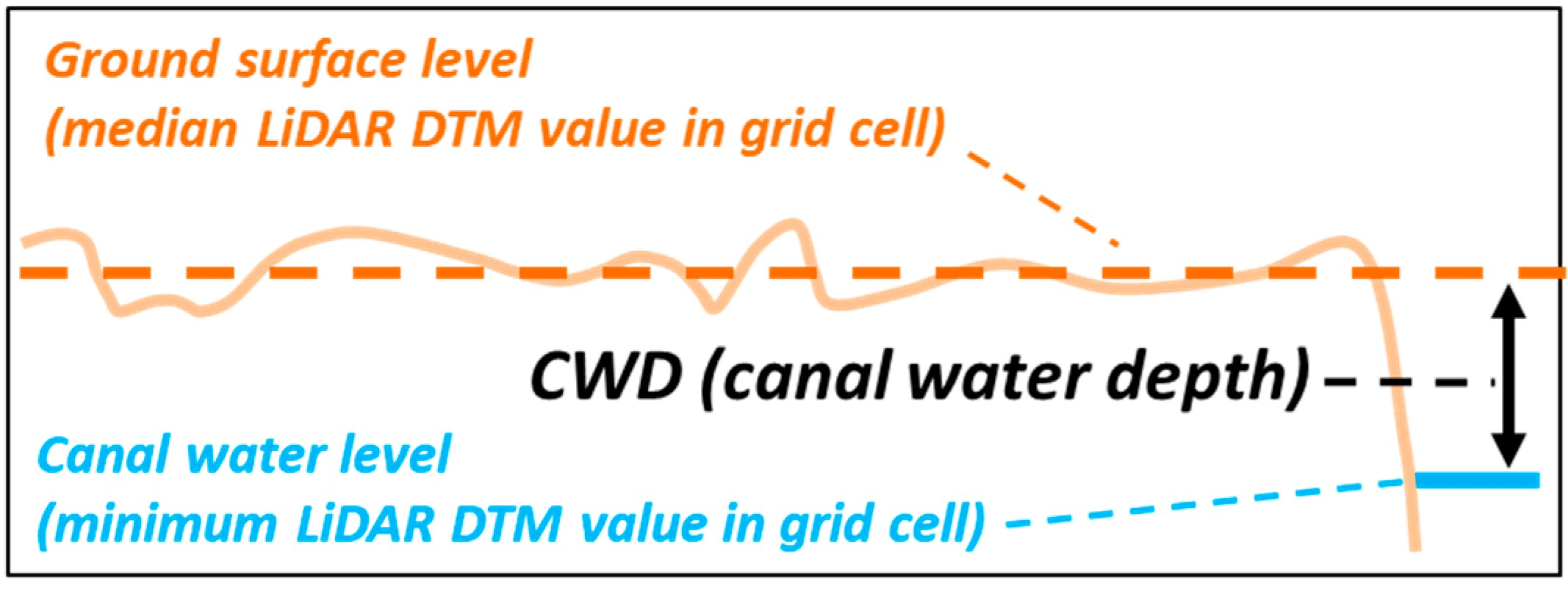 A new method for rapid measurement of canal water table depth using airborne LiDAR, with application to drained peatlands in IndonesiaDemonstrates that airborne LiDAR can rapidly measure canal water table depth across large peatland areas, providing a cost-effective tool to monitor drainage and support restoration planning in Indonesia.
 -
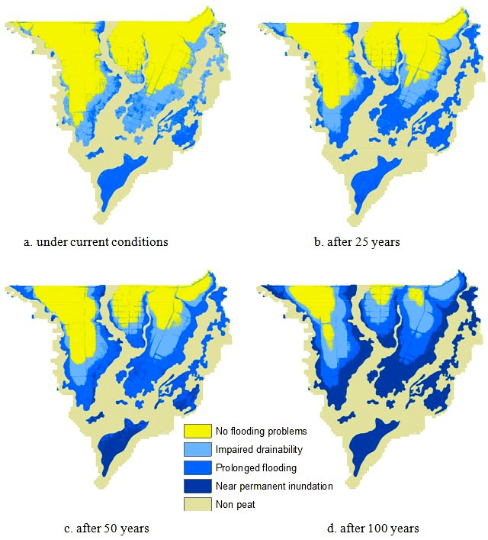 Hydrological and economic effects of oil palm cultivation in Indonesian peatlandsQuantifies the hydrological impacts and long-term economic costs of oil palm drainage on Indonesian peatlands, showing that subsidence-driven flooding will render large plantation areas economically unviable within decades.
 -
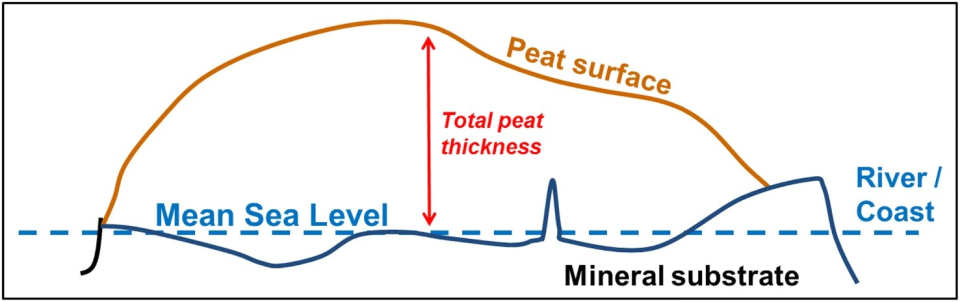 Mapping deep peat carbon stock from a LiDAR based DTM and field measurements, with application to eastern SumatraPresents a landscape-based method combining LiDAR terrain models with field peat thickness measurements to accurately map deep peat carbon stocks, demonstrated for eastern Sumatra and applicable across SE Asian peatlands.
 -
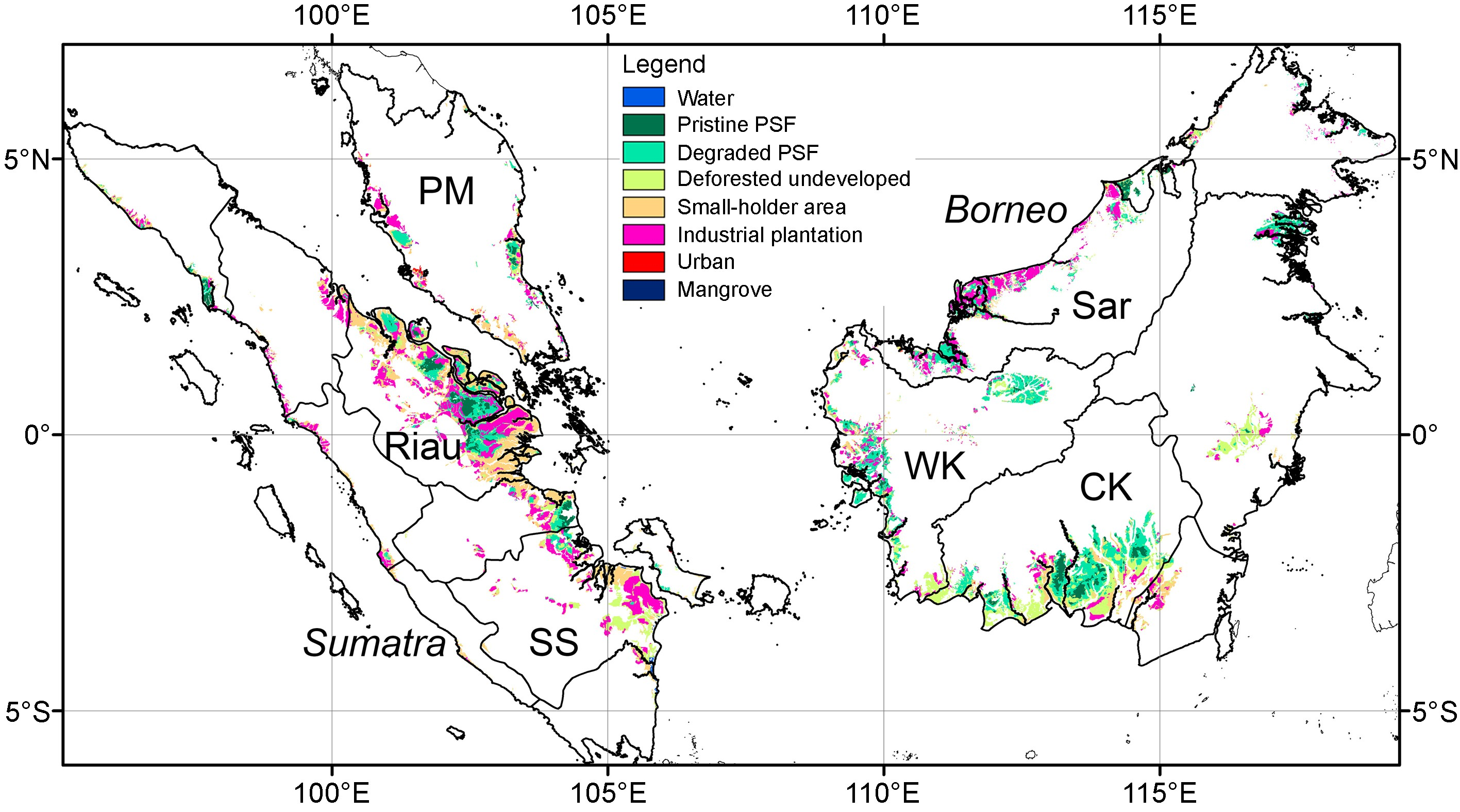 From carbon sink to carbon source: extensive peat oxidation in insular Southeast Asia since 1990Shows that drainage-driven peat oxidation has transformed SE Asian peatlands from a carbon sink into a major carbon source since 1990, with annual CO? emissions comparable to the entire global aviation sector.
 -
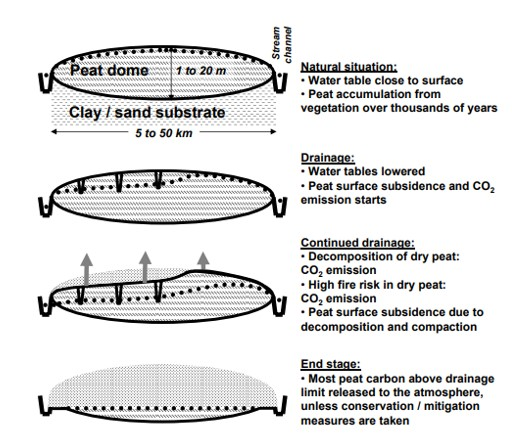 Current and future CO? emissions from drained peatlands in Southeast AsiaProvides the first comprehensive estimate of CO? emissions from drained SE Asian peatlands and projects future emissions under continued drainage, establishing the foundational emission factors still widely used in peatland carbon accounting.
 -
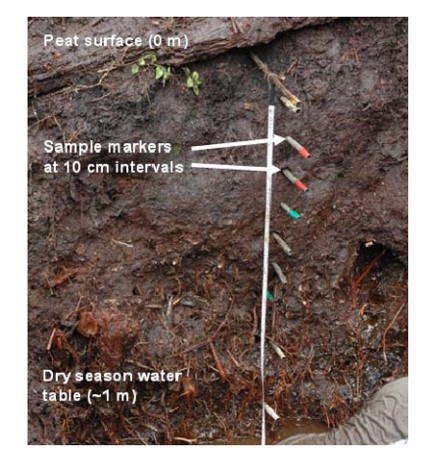 Subsidence and carbon loss in drained tropical peatlandsEstablishes the quantitative relationship between peat subsidence and carbon loss in drained tropical peatlands, providing a practical method to estimate CO? emissions from subsidence measurements at project and regional scale.
 -
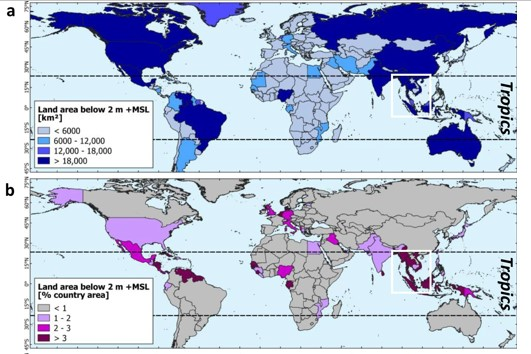 Global LiDAR land elevation data reveal greatest sea-level rise vulnerability in the tropicsAnalysis of global satellite LiDAR elevation data reveals that tropical coastal lowlands are far more vulnerable to sea-level rise than previously estimated, with major implications for flood risk projections in SE Asia and beyond.
 -
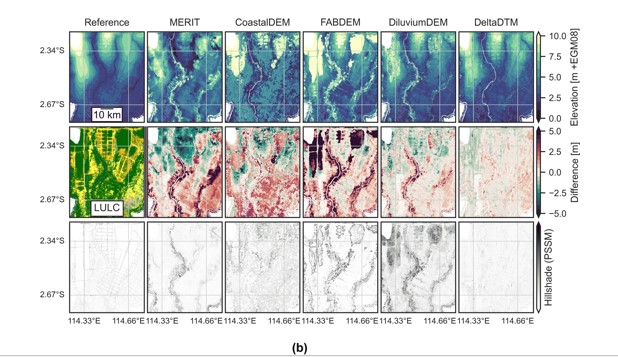 DeltaDTM: A global coastal digital terrain modelPresents DeltaDTM, a high-accuracy global coastal terrain model derived from satellite LiDAR and ICESat-2 data, offering a freely available elevation dataset specifically optimised for low-lying coastal and delta environments.
 -
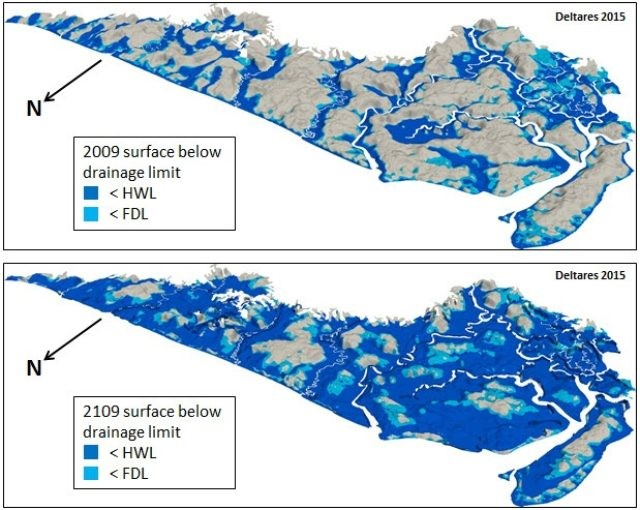 Flooding projections from elevation and subsidence models for oil palm plantations in the Rajang Delta peatlands, Sarawak, MalaysiaUses LiDAR elevation and peat subsidence models to project flooding timelines for oil palm plantations in the Rajang Delta, demonstrating that large areas face inundation within 20 years under current drainage and subsidence rates.
Find links to some of our publicly available datasets created and used in some of our publications here.
Find our full publication lists on Google Scholar:
 Al Hooijer
Several of our publications have received wide media coverage. See our Media page for selected news items →